 Continue with Steam
Choose a first Deadlock hero whose weapon and  abilities you enjoy using, then test whether you can aim, move and contribute without feeling overwhelmed. A hero who fits your preferred distance and pace is a useful starting point; there is no single best choice for every beginner.
Start with a few candidates rather than memorizing the whole roster. Try each in the practice range, play a few matches with the ones you like, and keep the hero whose decisions you want to learn. For the basic match loop, see your first match.
What kind of hero fits you?
Think about these questions before picking a hero:
- Aiming: Do you enjoy tracking a moving target with your weapon, or would you rather begin by placing an ability in an area?
- Distance: Are you comfortable approaching enemies, or do you prefer to start an exchange from farther away?
 Movement: Would you enjoy committing to a close fight, or do you want more time to choose where to stand and when to leave?
- Abilities: Do you prefer a clear
 damage action, a tool that controls an opponent, or an ability that helps allies? How many things can you comfortably watch at once?
These are practical comparisons, not difficulty scores. Every hero still needs positioning, movement, aiming and map awareness, and the same hero can contribute in different ways as items and situations change.
What if my aim is not good yet?
Every hero uses a weapon, so aim is worth practicing regardless of your choice. Start with a target you can track comfortably, then test an ability as well. Choose the combination you want to repeat; missing shots in an early session does not rule a hero out.
Four heroes to try
The table uses an editorial learning rubric: the “try it if” column describes a preference, and “practice first” identifies a decision that can be demanding. It is not a strength ranking. The examples below are based on hero and ability descriptions from the community-maintained hero asset data and ability asset data, rather than a claim of hands-on testing. Check the in-game descriptions after updates.
| Hero | Try it if you like | Practice first | Read more |
|---|---|---|---|
| Abrams | Close-range fights and moving into the action | Choose a safe approach and an exit before using a charge. | Abrams guide |
| Seven | Direct damage abilities and affecting an area |
Aim an ability toward moving targets and choose when to commit it. | Seven guide |
| Haze | Weapon tracking and finding an opening | Follow one target with your aim while protecting your position. | Haze guide |
| Dynamo | Helping allies and setting up a group fight | Watch where teammates are before using movement or  healing. |
Dynamo guide |
Abrams: try close-range commitment
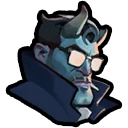 Abrams’
 Shoulder Charge moves him forward and can push an enemy into a wall, while
 Siphon Life drains
 health from nearby enemies. If you enjoy closing distance, practice charging toward a target and then moving back to cover. The decision is not just whether the charge hits: notice where you finish and whether a teammate can help. Close range can feel uncomfortable if you prefer to see the whole fight from farther away.
Seven: try aiming and timing an area ability
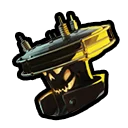 Seven’s
 Lightning Ball travels in a straight line and damages targets in its area;
 Static Charge applies a delayed stun around its target. Try placing the ball where a target is moving rather than only where it stands. If you enjoy planning where an ability will go, Seven is worth a look. You still need to use your weapon and stay aware of your position while abilities are unavailable.
Haze: try tracking a target
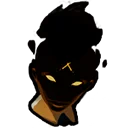 Haze’s
 Fixation increases
 bullet damage as she repeatedly hits the same target, while
 Sleep Dagger is a thrown ability that sleeps its target. Try tracking a moving practice target and then landing the dagger. If sustained aim feels satisfying, continue learning her; if you find it tiring, compare her with a hero whose abilities offer a different way to contribute. Haze still needs a safe approach and a plan to leave after a fight.
Dynamo: try supporting an ally
 Dynamo’s
 Rejuvenating Aurora restores health to him and nearby allies while channeled, and
 Quantum Entanglement teleports him to a target location. Try the heal and teleport separately, then consider where you would place yourself to help a teammate. In a match, timing and ally proximity matter; you can also contribute with your weapon and other abilities rather than waiting for one large team-fight moment.
Compare the same situation
Imagine an enemy is near cover. With Abrams, test whether you enjoy closing the gap and planning an exit. With Seven, try placing Lightning Ball along the route the target might take while staying at a comfortable distance. These are practice examples, not claims that either hero is always safer or stronger.
How can you test a hero before a match?
Valve’s Hideout announcement describes a practice range and access to the Sandbox. Use whichever practice option is available in your current client, then run the same short test for each candidate:
- Use the weapon. Shoot a target while standing still, then while moving. Notice whether tracking, range and reload feel comfortable.
- Read and try each ability. Cast it on a suitable target or in open space; watch what changes and where your hero ends up.
- Move in and out. Approach a target from cover, use one ability, then return to cover. Check whether you understand your escape options.
- Name a useful job. Can you explain how you would help a teammate, contest a lane or pressure an objective with this kit?
- Compare enjoyment. Which hero makes you curious to try again? A character that feels interesting gives you a reason to learn the parts that are initially difficult.
Unsure which hero felt better? Repeat the same weapon, ability and exit test with both candidates. Identify whether the difficulty came from aim, movement or understanding an ability, then change one thing and try again. Preference is a valid result even when both tests go well.
Do not choose based on one missed ability. Repeat the action until you can tell whether the problem is unfamiliar controls, aim, positioning or the hero’s style itself. The movement guide can help if the same positioning problem appears on every candidate.
Choose a small set for matches
Keep a few heroes you are willing to play and favor the one you most want to learn. Valve’s matchmaking update describes choosing hero preferences before match formation; a preference does not guarantee the same hero every game. Test your alternatives too, so you know at least what their weapon and main abilities do.
Standard mode is a place to practice a less familiar hero; Valve says its matchmaker considers experience on that hero. A  bot match can also give you time to learn your controls and the map before you face players. Focus on a manageable goal, such as using one ability with a clear purpose while still collecting
 souls and helping your lane.
What if I get my second choice?
Start with the weapon and one ability you practiced, then use the same lane fundamentals as your preferred hero. Afterward, decide whether that hero belongs in your small set. A secondary choice can still be a character you enjoy learning.
When should you keep practicing or switch?
Stay with a hero if the idea is fun and the problem is specific: for example, you like Abrams’ close-range style but often charge past your team. Practice picking a landing and exit before changing heroes. If the weapon, preferred range or repeated ability decisions remain unenjoyable after a fair try, compare a different candidate instead. There is no required number of matches that proves a hero is right for you.
| What feels wrong? | Next test | When to consider a switch |
|---|---|---|
| Missed shots on every candidate | Practice tracking the same moving target with each weapon | A weapon’s feel remains unenjoyable after practice |
| Frequently caught after approaching | Rehearse an approach and exit before using a movement ability |
You prefer a different engagement distance |
| Forgetting abilities |
Practice one ability and name its purpose, then add another | The kit’s decisions still feel unappealing |
| One match went badly | Review a specific lane or fight decision | Try another hero if the playstyle itself is not enjoyable |
If all candidates feel confusing, return to the range and isolate one action at a time. If the problem is the game itself—missing souls, losing track of the map or not knowing when to retreat—switching heroes alone may not solve it. The laning guide covers those opening decisions, while the hero guides above explain individual kits in more depth.