The rank reference describes competitive progression, eligibility and the rules surrounding ranked matches. The source page dates its detailed snapshot to July 31, 2026; Deadlock changes frequently, so check the current client and official notes before relying on thresholds or queue rules.
Standard and Ranked
The documented snapshot distinguishes Standard Mode from Ranked Mode. Standard does not affect the displayed rank and is described as the qualification path; Ranked affects rank, has seasonal progression and restricts parties to solo or duo. The page lists entry requirements and hero eligibility separately, so unlocking the mode does not by itself mean every hero is eligible.
Eligibility in the documented snapshot
The page lists 60 Standard wins to unlock Ranked, 15 Standard wins per hero for that hero's eligibility, and at least three eligible heroes for a valid roster. It also lists active sanctions as a queue restriction. These are dated rules, not a guarantee of the current client configuration.
Rank order and subranks
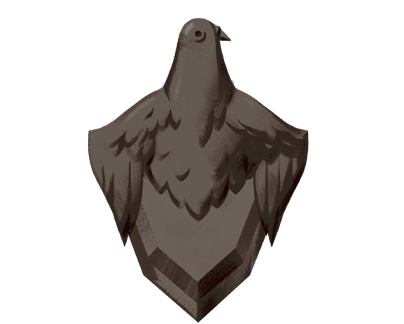
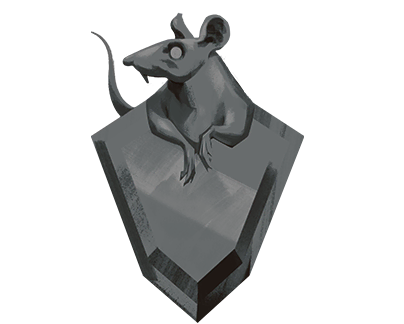
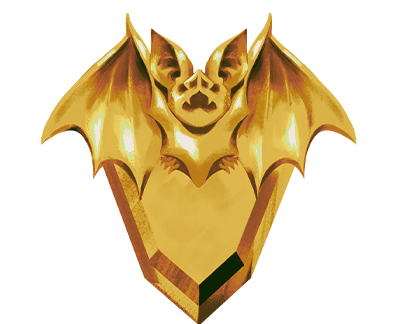
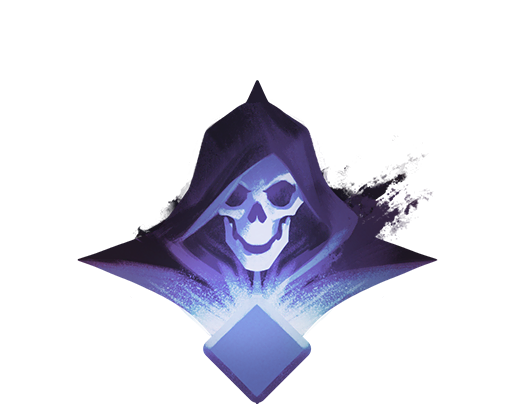
The page shows Obscurus for uncalibrated players, followed by Initiate, Seeker, Acolyte, Sentinel, Mystic, Ritualist, Emissary, Oracle, Phantom, Ascendant and Eternus. It describes six subranks within each of the eleven ranks. Read the badge and subrank together; Obscurus is the uncalibrated state, not an additional ranked tier.
Rank Points and protection
The snapshot describes Rank Points earned or lost after ranked matches, averaging approximately 250 points per win or loss and modified by factors such as matchmaker expectation and win streaks. It lists 1,000 points for ordinary subrank promotion and 2,000 for the final step into the next rank. Eternus is described separately: its subranks are re-segmented by percentile rather than using fixed thresholds.
The July 31, 2026 snapshot lists five protected losses at a full-rank boundary and two at a subrank boundary. For example, it describes a player at Mystic I with zero points needing five losses before demotion to Sentinel. Protection delays a demotion; it does not make a rank permanent. Check the current client for the applicable values.
Seasons, calibration and parties
The dated reference lists eight calibration games at the beginning of a season, no parties during calibration, a maximum calibration exit rank of Oracle VI, and a soft reset seeded from prior history. It says the highest rank achieved is stored in Rank History and a commemorative hideout item is awarded at season end. It describes a maximum duo size of two, a one-rank spread, and a separate three-subrank limit for an Eternus duo. These restrictions are identified as provisional in the source.
Match flow and leaderboards
In the dated snapshot, players submit hero preferences before matchmaking, may swap once into an unpicked eligible hero during the pre-game phase and select starting lanes there. It lists three bans, no  zipline lane swapping after pre-game, and a pause lock for the first two minutes.
Abandons in the snapshot
A departure before 5:00 is described as voiding the match and making it safe to leave for everyone except the leaver and their party; the party receives a loss. After 5:00, the leaver and party receive a loss, while teammates have a voided, safe-to-leave match but can still receive a win if they stay and win. If the entire team leaves, the opponents receive the win. The page describes escalating penalties, from queue timeouts to low-priority games.
Leaderboard activity
The page lists 75 games in the preceding 30 days for the global leaderboard. For a hero leaderboard it lists 30 games on that hero in the preceding 30 days plus 100 lifetime wins on that hero. It describes regional boards for North America, South America, Europe, Asia and Oceania, each showing the top 1,000 players. Consult the live Ranked Hub for current rules, eligibility, history and standings.
Why the date matters
The page's history records changes to ranked play in 2024 and a later return to separate Standard and Ranked modes in 2026. Treat any specific number above as a July 2026 reference point, and verify it against the current game before planning a queue or interpreting a promotion.
 Continue with Steam