 Continue with Steam
In a standard Deadlock match, your team wins by destroying the enemy 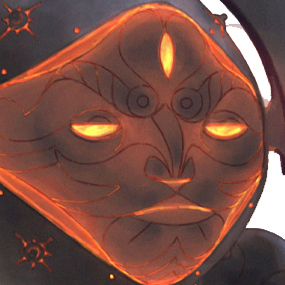 Patron. Start in your lane, help your
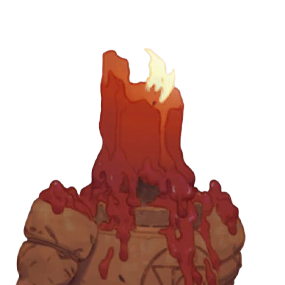 troopers advance, collect
 souls, spend them on items, and work with teammates to break the defenses protecting the enemy base. Defend your own Patron along the way.
Your first match can feel busy because shooting,  abilities and map decisions happen at the same time. Focus on the next useful action: collect a wave safely, buy when you can, and help your team attack or defend an objective. Deadlock is still in early development, so the interface and rules can change; check the official Steam page and in-game descriptions when in doubt.
Before the match
Choose a hero whose weapon and abilities you enjoy using. Spend a little time in the practice area or a  bot match learning how to aim, reload, move, and activate an ability. Read each ability’s description rather than trying to memorize a complicated combination. The first-hero guide can help you choose a comfortable starting point.
Check your controls for  movement, abilities, the shop and the
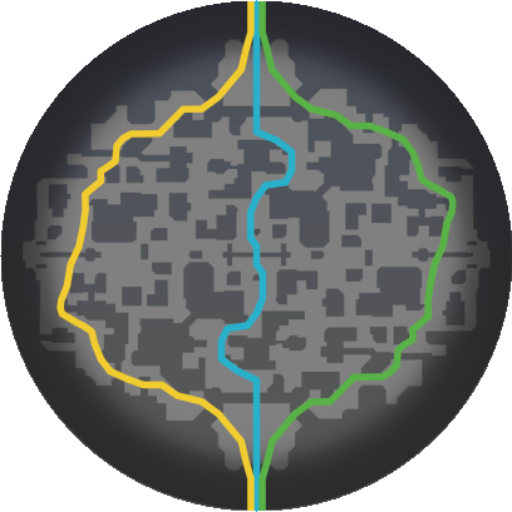 minimap. You do not need advanced movement for game one: use cover, keep an escape route, and save some
 stamina for getting out of danger. See the movement guide when you are ready to practice more.
Start in your lane
A lane is a route between the two bases. Allied and enemy AI-controlled soldiers called troopers move along it and fight each other. Travel toward your assigned lane, stay near your teammates, and look for cover from the opposing heroes. Keep an eye on your  health and the minimap while you help clear the enemy wave.
You do not need to land the final hit on every enemy trooper to generate souls: Valve’s map rework notes, reproduced by SteamDB, say a player must be nearby. You still need to collect the rewards and defend yourself while doing it. If an enemy pushes you away from the wave, take a safer position near an allied defense rather than chasing them through open ground.
What should I do right now?
| Situation | Next action | Avoid |
|---|---|---|
| A wave reaches your lane | Help clear it and secure reachable rewards | Walking into enemy fire for one orb |
| You can afford a useful item | Shop when safe, then return to the task | Carrying unspent souls through a risky fight |
| An allied structure is threatened | Check the map and help defend with allies | Fighting a separate enemy far away |
| Allies are pushing an exposed defense | Join if healthy and close enough to help | Diving alone past your team |
Collect and deny souls
Souls are the resource you earn for progression and spend on items. When an enemy trooper dies nearby, look for the flying soul orb and shoot it to secure it before an opponent can shoot it. Also collect the ground pickup by moving near it when safe. You can shoot the opponent’s flying orb to deny that reward. The souls guide covers the economy in more detail; Valve’s November 2025 update notes describe the separate flying and ground rewards.
For example, if an orb appears beyond cover while an enemy is aiming at you, do not walk into concentrated fire just to collect it. Shoot from a safer angle if you can; otherwise protect your health and prepare for the next wave. Missing one reward is easier to recover from than dying repeatedly.
Missing soul rewards? Check three things: were you close enough to the dying troopers, did you have ammunition ready for the flying orbs, and was a safe route available to the ground pickups? Change one of these on the next wave; do not walk into a dangerous position to recover every missed reward.
Spend your souls and use your abilities
Open the shop when it is safe and you have enough souls for a useful purchase. The shop groups items by their general purpose: Weapon supports your gun, Vitality helps you survive, and Spirit supports abilities. Read the actual item description: effects vary, and some items must be activated. Valve describes the updated shop and its stat display in City Never Sleeps.
A suggested hero build can reduce the number of decisions. Read what its next item does and consider the problem in front of you: if you keep losing health before you can collect a wave, a suitable survivability purchase may help you stay involved; if you are safe but struggle to contribute  damage, look for an option that fits your hero. Do not save indefinitely for an expensive item while a useful affordable purchase is available. The shop guide explains the interface and item choices.
Am I buying the wrong item?
Use the suggested build as a starting point, then read the item’s effect. If the immediate problem is staying alive, consider a suitable defensive option; if you are safe, choose something that helps your hero contribute. No single purchase fixes every situation.
As your hero progresses, use available ability unlocks and upgrades. Read their descriptions and try to understand one ability’s purpose at a time: damage, escape, control or helping an ally. Watch cooldowns before committing to a fight. A recommended build is a starting point, so check whether you can actually use the ability or item it recommends in your situation.
Turn lane pressure into objectives
Your team’s route to victory runs through enemy defenses. A 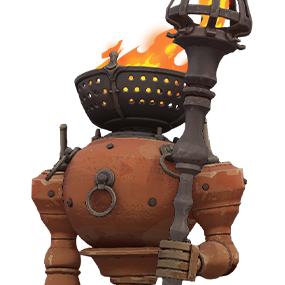 lane Guardian is an early structure; farther along are
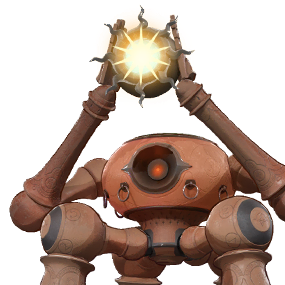 Walkers and base defenses. Inside the base, Shrines protect the Patron. The Deadlock Wiki’s match overview describes that progression, and Valve’s May 2026 update states that a pair of
 Base Guardians must be destroyed before Shrines can be damaged.
Help your troopers reach a structure and attack it with teammates when the area is reasonably safe. Watch the structure, enemy heroes, and your route back. If the defenders return or your allies retreat, step away instead of trying to finish it alone. A hero kill can give your team space, but the Patron is the victory objective.
After a fight: push, defend, or reset?
If allies are alive nearby and a structure is reachable, help push with them. If your own defense is threatened, return to protect it. If health is low or the enemy is returning, heal and buy before committing again.
When should I stop chasing?
Break off when a fleeing enemy draws you away from your team, toward unseen defenders or into a dangerous position. Check the minimap and turn your attention to an accessible wave or an objective your allies can contest. A kill is useful only if the risk and time spent make sense for what your team needs.
You do not have to learn every neutral camp or special map objective in your first game. If your team pings an objective, check whether you can reach them safely and whether your own lane or base needs defense. The objectives guide explains what each target does.
What to do when the match changes
Lanes become less isolated as players move around the map. Look at the minimap before leaving: where are your allies, which enemy heroes can you see, and is an allied structure under pressure? A neutral camp between lanes can provide souls, but do not disappear into one while a nearby defense needs help.
Your team is losing a fight
Look for a safe way to help an ally retreat or defend a nearby structure. Do not enter alone after your teammates have fallen; clear a safe wave and regroup instead.
How do I recover after dying?
Before returning, check the map for a threatened allied structure and teammates who are still alive. Spend available souls on an item that addresses the danger you faced, then travel to a safe wave or join the defense. If you are behind, collecting accessible waves closer to your side gives you a way back into the match without taking the same isolated fight again.
A first-match checklist
- Try your hero’s weapon and abilities; check the controls.
- Go to your assigned lane and stay near the troopers and cover.
- Shoot your flying soul orbs, collect safe ground pickups, and deny enemy orbs when you can.
- Spend souls on useful items and use available ability upgrades.
- Help your team defend or push a reachable structure, then work toward the enemy Patron.
- After the match, choose one habit to practice next time, such as watching orbs or buying before a fight.
Do not worry about mastering everything at once. A useful first-game target is to recognize the loop and make one deliberate decision each time the situation changes. For more detail on surviving exchanges, see common beginner mistakes, and for lane positioning see the laning guide.