 Continue with Steam
To keep up in  souls, collect lane rewards consistently, secure the flying orbs you can reach safely, and use the gaps between waves for other opportunities. Spend available souls on useful items before a dangerous fight, and avoid farming so far from your team that you miss a defense or lose your income to a
 death.
Souls fund purchases and contribute to hero progression. The challenge is choosing an income source you can actually collect, keeping the reward, and returning to the next useful task. For the overall flow of a match, start with your first match.
What do your soul numbers mean?
Spendable souls are the unspent balance available for purchases. Net worth is a broader measure of economic progress, including souls already spent; it is useful for comparing how much players have accumulated, not for checking what you can buy right now. A large net-worth lead does not guarantee a won fight: check  health, items and teammates as well. SenseOS’s economy overview describes net worth and the different sources of income.
Practical example: imagine your wallet shows 1,000 spendable souls, of which 300 are haunted. The 300 are already part of the 1,000; they are not an extra 300. If your net worth is 4,000, that larger figure reflects your overall economic progress, including earlier spending. These figures are illustrative, not recommended thresholds.
| Number | What it helps you decide |
|---|---|
| Spendable balance | Can I afford the item now? |
| Net worth | How does my economic progress compare with others? |
| Haunted portion | How much of my current balance is still at risk? |
Haunted souls, also called unsecured souls, are an at-risk portion of your balance, not a second pile to add on top. Souls from neutral 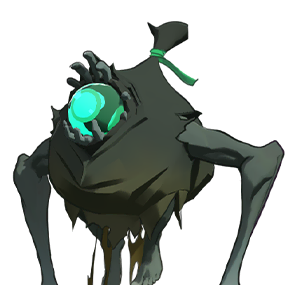 Haunts and
 crates are among the sources documented by the community wiki and SenseOS. They count toward your available souls and can be spent, but you can lose unsecured souls if you die before they are secured. They convert over time; Valve described the conversion in its December 2025 update.
Buying does not automatically protect every haunted soul: the shop uses secured souls first, according to SenseOS’s game-data-based explanation. Buy because an item helps your next task, and consider how much risk you still carry afterward. Valve’s June 2026 update changed the minimum amount that can drop on death; do not assume every loss creates a recoverable bag.
Collect lane souls reliably
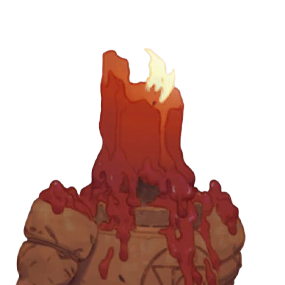 Troopers are the AI soldiers that move down each lane. Help your team clear enemy troopers while staying close enough to the fight to receive their rewards. You do not need to deliver the last hit on every trooper: Valve removed that requirement in the map rework, and its later shop update refers to that removal. A last hit can still determine when a trooper dies, but the practical focus is being nearby and collecting the rewards.
Flying orbs and ground pickups
When a qualifying enemy trooper dies, watch for two kinds of reward:
- Flying orb: shoot your team’s orb to secure it. Opponents can shoot it first to deny that reward; you can similarly shoot their flying orb to deny theirs.
- Ground orb: move near your team’s pickup when safe. An opposing team’s faint ground orb cannot be claimed by you.
Valve describes both rewards and the enemy-ground-orb restriction in the November 2025 update. The split has changed since then, so use the current interface rather than memorizing old percentages. According to the community wiki’s soul reference, a melee finish grants the flying-orb portion immediately instead of creating that orb; the ground pickup still needs collecting. Melee range can put you in danger, so use it only when safe.
Secure without giving away your life
Try to have ammunition ready as troopers are about to die. Use a clear angle from cover to shoot a flying orb, then approach the ground pickup if the enemy cannot punish you. If you cannot safely do both, protect your position and prepare for the next wave. A deny is useful, but exposing yourself to repeated  damage or chasing an orb into enemy territory can cost more than it gains.
Practical example: an enemy hero holds the open street while your troopers meet theirs. Fire at reachable orbs from cover. If the ground reward is too exposed, let it go and move toward a safer wave or allied defense. Reload before the next exchange instead of emptying your magazine into a target you cannot finish safely.
Before, during and after a wave
Before the wave, check your health, cover and ammunition. As troopers fall, secure reachable flying orbs and collect ground rewards when safe. Afterward, check whether the next job is a purchase, a nearby camp, another wave or a defense; then reposition before committing.
For the positioning and trading side of this decision, see the laning guide.
Where should you farm next?
Lane troopers are a recurring income opportunity. Neutral camps, crates, hero kills and objectives can also provide souls, but they differ in risk and in what you give up while pursuing them. Valve’s City Never Sleeps update describes Haunts as the updated neutral creatures and notes soul rewards from tough crates.
| Situation | Reasonable next action | Check before committing |
|---|---|---|
| A wave is approaching a safe allied position | Help clear it and collect reachable rewards | Can enemies see or trap your route? |
| Your lane is clear and a nearby camp is available | Take it if you have time and health to return |
Will the next wave or a team defense be missed? |
| A fight is starting near an allied structure | Check the  minimap and join a defensible fight if you can help |
Do not farm through an urgent defense by default |
| A distant camp sits in enemy territory | Prefer a safer route when opponents are missing | Can you escape with the souls you earn? |
| You have enough for a useful item | Visit a safe shop before a commitment when practical | Will buying delay a necessary defense? |
Should I leave the wave for a camp?
If the next wave or an allied defense needs you now, handle that first. If the lane is safe and you can clear a nearby camp without losing the next useful opportunity, take it and return. Watch your health and escape route before taking a second camp.
Think of a camp’s cost as travel time, health, ammunition, exposure and missed alternatives, not just the time it takes to defeat it. For example, a nearby camp after a cleared wave may fit naturally into your route. Crossing the map for another camp while an enemy wave threatens your Guardian may leave both the structure and your next wave unattended. The jungle guide covers route choices in more detail.
Keep the rewards you earn
After a camp or crate route, check your health, your at-risk souls, and where enemies were last seen. If you are carrying a sizeable unsecured balance and opponents are missing nearby, return along a safer route or stay with allies instead of taking an isolated fight. Securing happens over time; no exact timer is needed for this decision. If you die, the loss can include at-risk souls and time away from waves or an objective.
When you can afford something helpful, shop at a safe opportunity. An item only helps once purchased, while hoarding souls can leave you weaker during an important fight. Conversely, do not abandon an urgent defense just to buy. See item timing for the save-versus-spend tradeoff and the shop guide for the interface.
Does buying an item secure all my haunted souls?
Not necessarily. Secured souls are spent first, so the purchase may leave some haunted souls at risk. Check the at-risk indicator afterward and choose your route accordingly. A useful purchase can make the next task safer, but it does not guarantee survival.
Why are you falling behind on souls?
Falling behind? Review one wave. Were you nearby when the troopers died? Did you have a safe angle and ammunition for flying orbs? Could you collect the ground reward? Did a detour or death cause you to miss the next wave? Choose the first failure you can change and practice that on the next wave.
Compare your progress with the scoreboard, but also check your spendable balance and what items the opponent already owns.
Take a wave closer to your team’s side if it is safe, buy for the immediate problem, and rejoin allies when a defense or reachable objective matters. If a teammate is already collecting a wave, look for another useful job rather than assuming every nearby reward belongs exclusively to you. Soul sharing has its own rules and can change; follow the in-game feedback instead of relying on old lane-sharing percentages.
A low soul total is a prompt to examine decisions, not a reason to ignore the team. After the match, review one missed wave or death: where were you, what were you trying to earn, and what safer action was available? Practice that correction in the next game.