 Continue with Steam
Start  Mid Boss when your team can
 damage it, cover the approaches and lanes, and still contest the
 Rejuvenator crystal afterward. A favorable fight or visible enemies far away can create a window, but neither guarantees a safe attempt. Before entering the pit, decide who watches for opponents, who can claim the crystal and what your team will do if the situation changes.
What the objective gives you
Mid Boss is present from the beginning of the match, although that does not mean your team is ready to fight it immediately. Valve changed the initial spawn in its May 22, 2026 update. Use the map and current in-game indicators to locate the objective; old guides that tell you to wait for its first ten-minute spawn describe an earlier version.
Killing the boss gives the killing team  souls and
 permanent buffs, but a separate crystal contest follows. The Rejuvenator descends into the pit, and either team can claim credits by landing heavy melee hits after it lands. Each hit grants a credit to that player’s team, up to the crystal’s limit. A team that damages and kills the boss can still lose some or all of those credits to opponents. Midboss reference; Valve’s Rejuvenator rework and August 8 follow-up.
A Rejuvenator credit lets an eligible teammate revive in place after a  death, consuming one shared team credit. Each player can use at most one credit, and the benefit ends when the credits are exhausted or the duration expires. The current Rejuvenator reference describes the shared pool; Valve’s June 30 update reduced its duration to three minutes. It is not the old team-wide shorter respawn timer or
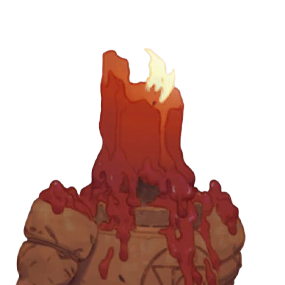 trooper-
 health buff. The November 2025 update also removed the Rejuvenator’s listed combat stat bonuses.
Check readiness before entering
- Enemy positions and return time. Look for opponents on the map and consider when absent or recently defeated enemies could arrive. Missing enemies are unknown, not automatically far away. A numbers advantage matters only if it lasts through the boss fight and the crystal contest.
- Your team’s resources. Check health, ammunition, important cooldowns and whether enough teammates can deal sustained damage without becoming easy targets. An early, slow attempt can give opponents time to gather even though the boss is already available.
- Lane and structure pressure. See which waves are approaching your side and who can clear or defend them. A player watching a lane may need time to join; do not assume every teammate can leave immediately.
- Approaches and escape. Identify where opponents might enter and where your team can withdraw if it loses control. Avoid relying on a single supposed safe entrance or exact route without checking the current map.
- The crystal plan. Choose someone positioned to heavy-melee the crystal after it lands and teammates who can protect the attempt. Have a fallback if an enemy arrives or the designated claimer is interrupted.
- Next action. Decide whether the team can reset, defend a wave, or use the credits for a coordinated objective push after securing them. If there is no realistic follow-up, compare the attempt with the action available elsewhere.
See the objectives guide for the larger structure sequence and the laning guide for maintaining lane pressure.
Continue, delay, or leave?
| Situation | Decision to consider | Recheck |
|---|---|---|
| Enemies are distant, resources are ready and a threatened lane is covered | Start with a crystal plan | Can the advantage last until the claim? |
| A wave needs defense or key teammates are unready | Delay and stabilize | Can the team regroup before opponents arrive? |
| Enemies reach the pit or the attempt becomes too slow | Fight or leave together | Is the exit and lane defense still available? |
| Boss dies with opponents nearby | Contest the landed crystal if feasible | Who can heavy-melee and who protects them? |
Before the first attack: Name the boss-damage players, the approach watcher, the crystal claimer and the player covering any threatened lane. Agree on an exit if the enemy arrives before the crystal lands.
Two attempts with different risks
When the window is favorable
Illustrative scenario: your team has just won a fight near the center, several opponents are unavailable, and the remaining visible enemies are distant. Your teammates have enough health and damage to start, while an ally can cover an approaching wave or return to it safely. Before attacking, agree who will watch an approach and who will take the crystal.
Check the window again during the attempt. If the boss is falling slowly and opponents are about to return, decide whether to stop damaging it and prepare for a fight or withdraw. If your exit or necessary lane defense is no longer viable, leave together rather than committing to the crystal at any cost.
When the map is not ready
Illustrative scenario: enemies are missing, one of your waves is approaching an undefended structure, and your team has used important  abilities in the previous fight. Entering together could leave the lane exposed and let opponents arrive while your team is occupied. Stabilize the wave, restore resources or regroup first; if a more immediate defense is required, take that action instead.
The question is whether the team can complete the objective and retain control long enough to claim the reward.
Divide responsibilities during the attempt
| Responsibility | Practical job | Failure to avoid |
|---|---|---|
| Boss damage |
Maintain enough damage to make progress while managing health and ammunition. |
Continuing a slow attempt while the team is unable to respond to a contest. |
| Approach watch | Watch likely entrances and communicate approaching enemies. | Everyone focusing on the boss until an opponent reaches the crystal. |
| Crystal claim | Be ready to heavy-melee the landed crystal; coordinate additional hits if safe. | Assuming the boss kill itself gives your team every credit. |
| Lane coverage | Handle or monitor the wave that threatens your structure, then join if the team can afford it. | Abandoning a necessary defense merely to add one more attacker. |
These are jobs, not fixed hero assignments. One player may cover more than one task when the situation allows, and your team may need to change the plan when an enemy appears.
Control the crystal, then use the credits
When the crystal lands
When the boss falls, do not immediately leave the area or chase a distant opponent. Watch the descending crystal and the approaches. Once it lands, the claimer uses heavy melee while teammates prevent or interrupt an enemy’s attempt. Valve’s March 6, 2026 notes shortened the descent and specify that later hits on a crystal do not refresh the Rejuvenator duration. Confirm the credits your team actually holds rather than assuming a clean sweep.
What if the enemy gets some of the crystal hits? The boss kill and crystal credits are separate. Check your team’s actual remaining credits and the enemy threat before choosing a push or defense; do not assume either team secured all credits merely because it killed the boss.
Credits are shared and limited. A revive happens where the player died, so an isolated dive can leave that player exposed again on return. If your team has the resources and a favorable lane, group for a meaningful push and stay able to protect a revived teammate. If teammates are low, waves threaten your  structures, or the enemy holds the route, reset or defend first. The clock on the buff still matters; choose a useful action you can actually reach rather than spending the entire window waiting for a perfect fight.
If the attempt turns against you
If opponents arrive before the kill, stop and assess whether your team can fight, disengage or return to lane. If the boss dies amid a contested fight, both teams can attempt to claim the crystal. Do not sacrifice multiple players for an unsafe punch when the enemy controls the pit; sometimes preserving the team and defending the next wave is the better outcome.
Afterward, review the first failure: did you underestimate enemy return time, ignore a wave, enter without enough resources, or fail to protect the claimer? Change that part of the next setup instead of treating every lost contest as a damage problem.